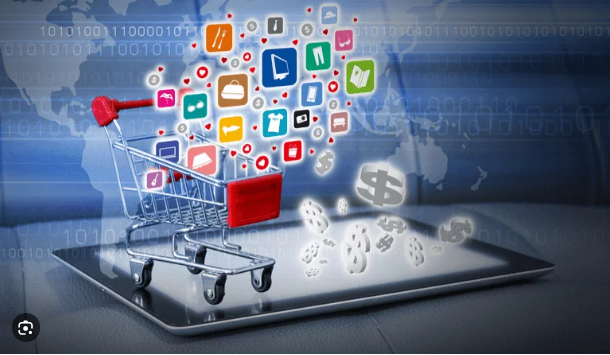
Introduction to E-Commerce
In the modern digital world, e-commerce has become one of the most powerful drivers of global trade and business growth. Businesses are no longer limited to physical stores or local markets. Instead, companies can sell products and services online to customers across the globe. This transformation has made e-commerce an essential part of the modern economy.
The concept of e-commerce refers to the buying and selling of goods or services through the internet. It includes online marketplaces, digital payments, mobile shopping, and even online services. With the rapid growth of internet users and smartphone technology, businesses of all sizes are now investing in online platforms to expand their reach.
To better understand how online trade works, it is important to explore the types of e-commerce with examples. These categories show how businesses, consumers, and organizations interact online.
At the same time, many people confuse e-commerce with e-business, even though they are not exactly the same. Understanding the difference between e-commerce and e-business helps businesses plan better strategies and adopt the right digital solutions.
What is E-Commerce?
E-commerce refers to electronic commerce, where transactions happen through digital networks. Customers can browse products, place orders, and make payments online without visiting a physical store.
Today, e-commerce includes many activities such as online retail, digital marketplaces, subscription services, online auctions, and digital product sales.
Key Components of E-Commerce
| Component | Description |
|---|---|
| Online store | Digital platform where products are displayed |
| Payment gateway | Secure system for online payments |
| Logistics | Shipping and delivery services |
| Customer support | Assistance for online shoppers |
Businesses using e-commerce platforms can reach customers worldwide, reduce operational costs, and provide convenient shopping experiences.
Understanding the types of e-commerce with examples also helps companies determine which model best suits their business goals.
Growth of E-Commerce in the Digital Era
Over the past two decades, e-commerce has grown rapidly due to improvements in technology, internet connectivity, and digital payment systems. Today, millions of businesses operate online stores, and consumers rely heavily on digital shopping platforms.
Several factors have contributed to the growth of e-commerce:
- Increased internet penetration
- Mobile shopping convenience
- Secure online payment systems
- Global digital marketplaces
Businesses now explore different types of e-commerce with examples to expand their operations and reach more customers.
At the same time, digital transformation has led to the rise of e-business, which includes broader digital operations. Understanding the difference between e-commerce and e-business helps companies integrate both strategies effectively.
Types of E-Commerce With Examples
The world of e-commerce is divided into several categories based on who is involved in the transaction. Each model serves different purposes and audiences.
Understanding the types of e-commerce with examples can help businesses choose the right model for their products or services.
Major Types of E-Commerce
| Type | Description | Example |
|---|---|---|
| B2C | Business selling directly to consumers | Online clothing stores |
| B2B | Business selling to other businesses | Wholesale supplier portals |
| C2C | Consumers selling to other consumers | Online marketplaces |
| C2B | Consumers offering services to businesses | Freelance platforms |
These types of e-commerce with examples show how digital trade can involve multiple participants.
Business to Consumer (B2C) E-Commerce
One of the most common forms of e-commerce is the Business-to-Consumer model. In this model, companies sell products or services directly to individual customers through online platforms.
Features of B2C E-Commerce
| Feature | Explanation |
|---|---|
| Online shopping | Customers browse and purchase products |
| Digital payments | Payments made through cards or wallets |
| Fast delivery | Logistics systems deliver products quickly |
The B2C model is a major part of the types of e-commerce with examples because it reflects the traditional retail experience in a digital format.
Business to Business (B2B) E-Commerce
Another important category among the types of e-commerce with examples is Business-to-Business. In this model, businesses sell products or services to other businesses instead of individual consumers.
For example, a manufacturer may sell raw materials to a retailer through an online platform.
Characteristics of B2B E-Commerce
| Feature | Description |
|---|---|
| Bulk orders | Businesses purchase large quantities |
| Negotiated pricing | Prices may vary based on contracts |
| Long-term partnerships | Companies maintain ongoing relationships |
The B2B model demonstrates how e-commerce supports large-scale commercial transactions.
Consumer to Consumer (C2C) E-Commerce
The Consumer-to-Consumer model is another example within the types of e-commerce with examples. In this category, individuals sell products or services directly to other individuals through online platforms.
This model is especially popular in second-hand marketplaces and peer-to-peer selling platforms.
C2C E-Commerce Overview
| Feature | Description |
|---|---|
| Individual sellers | Non-business users sell items |
| Online marketplaces | Platforms facilitate transactions |
| Flexible pricing | Sellers decide their own prices |
The growth of C2C platforms shows how e-commerce empowers individuals to participate in digital markets.
Consumer to Business (C2B) E-Commerce
Among the lesser-known types of e-commerce with examples, Consumer-to-Business is gaining popularity. In this model, individuals offer products or services to companies.
For instance, freelancers providing digital services to businesses are part of the C2B model.
Key Features of C2B E-Commerce
| Feature | Explanation |
|---|---|
| Freelance services | Individuals offer expertise |
| Project-based work | Businesses hire for specific tasks |
| Flexible collaboration | Online platforms connect buyers and sellers |
This model highlights the flexibility and innovation that e-commerce brings to modern business environments.
Difference Between E-Commerce and E-Business
Many people think e-commerce and e-business mean the same thing. However, there is a significant difference between e-commerce and e-business.
While e-commerce focuses specifically on buying and selling products online, e-business includes all digital business processes, such as marketing, customer service, supply chain management, and internal communication.
Difference Between E-Commerce and E-Business
| Aspect | E-Commerce | E-Business |
|---|---|---|
| Definition | Online buying and selling | Entire digital business operations |
| Scope | Limited to transactions | Includes marketing, management, and operations |
| Focus | Sales and payments | Business processes |
| Technology use | Online stores and payment systems | Enterprise software and digital tools |
Understanding the difference between e-commerce and e-business helps companies build more comprehensive digital strategies.
Importance of E-Commerce for Businesses
The rise of e-commerce has transformed how companies operate and interact with customers.
Benefits of E-Commerce
| Benefit | Description |
|---|---|
| Global reach | Businesses can sell internationally |
| Lower costs | Reduced overhead compared to physical stores |
| 24/7 availability | Customers can shop anytime |
| Data insights | Businesses can track customer behavior |
Companies exploring the types of e-commerce with examples can select models that match their target audiences and business goals.
Understanding the difference between e-commerce and e-business also helps businesses adopt broader digital transformation strategies.
Challenges of E-Commerce
Although e-commerce offers many advantages, businesses also face certain challenges.
Common Challenges
| Challenge | Explanation |
|---|---|
| Cybersecurity risks | Protection of customer data |
| Logistics issues | Delivery delays and shipping costs |
| High competition | Many online sellers competing |
| Technology maintenance | Platforms require constant updates |
Despite these challenges, companies continue to adopt e-commerce solutions because the benefits outweigh the risks.
Future of E-Commerce
The future of e-commerce looks extremely promising. Emerging technologies such as artificial intelligence, augmented reality, and blockchain are shaping the next generation of digital commerce.
Businesses are constantly exploring new types of e-commerce with examples to improve customer experiences and increase efficiency.
Future Trends in E-Commerce
| Trend | Impact |
|---|---|
| AI-powered recommendations | Personalized shopping experiences |
| Voice commerce | Shopping through voice assistants |
| Mobile commerce | Increased smartphone shopping |
| Automated logistics | Faster delivery systems |
As digital transformation continues, understanding the difference between e-commerce and e-business will become even more important for organizations aiming to stay competitive.
Conclusion
In today’s digital economy, e-commerce has become a vital component of global trade. From online retail stores to digital marketplaces, businesses are using internet-based platforms to reach customers worldwide.
By studying the types of e-commerce with examples, companies can understand how different transaction models work and identify opportunities for growth.
At the same time, recognizing the difference between e-commerce and e-business helps organizations build stronger digital strategies that go beyond simple online sales.
As technology advances and consumer behavior continues to evolve, e-commerce will remain one of the most important drivers of innovation, convenience, and economic growth in the digital age.
Leave a Reply